

Aug 25, 2024
Web DesignThe Role of Color Psychology in Web Design
Blog Details
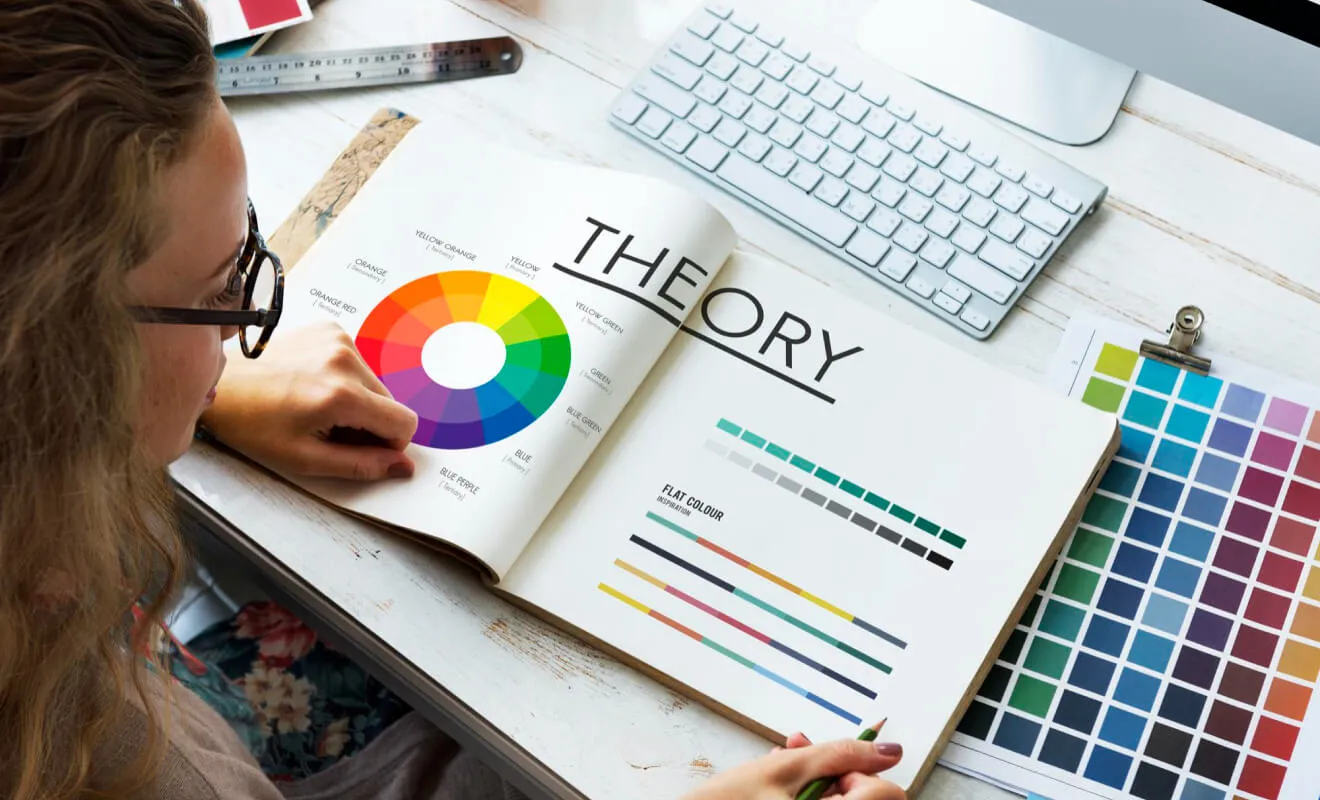
Color Speaks Before Words Do
A user forms a subconscious impression of a website within 50 milliseconds of seeing it. Color drives most of that impression. Before they read a headline or notice a layout, they’ve already felt something — and color is largely responsible.
The Psychology Behind the Palette
Colors carry associations that vary by culture, context, and individual experience — but some patterns are consistent enough to guide design decisions:
- Red — urgency, energy, passion, danger. Effective for calls to action, but easily overdone.
- Blue — trust, calm, reliability. Dominant in finance, healthcare, and tech for good reason.
- Green — growth, nature, success, health. Works well for sustainability, wellness, and finance.
- Yellow — optimism, warmth, attention. High visibility but can fatigue at large areas.
- Black — sophistication, luxury, authority. Sets a premium tone when used deliberately.
- White — clarity, simplicity, space. The foundation of clean, modern design.
Color and Conversion
CTA button color has been the subject of countless A/B tests. The consistent finding: contrast matters more than the specific color. A button that stands out from its surroundings performs better regardless of hue.
Building a Color System
A functional web color palette typically includes:
- Primary — your brand’s dominant color, used for key actions and accents
- Secondary — a supporting color that complements the primary
- Neutral — grays and off-whites for backgrounds, borders, and text
- Semantic — functional colors for success, error, warning, and info states
Accessibility Is Non-Negotiable
Color choices must meet WCAG contrast requirements: 4.5:1 for normal text, 3:1 for large text. Never use color as the only means of conveying information — consider users with color vision deficiencies.
Dark Mode Color Considerations
Dark mode isn’t just an inversion. Shadows disappear on dark backgrounds, requiring different elevation strategies. Saturated colors can vibrate on dark surfaces. Pure black (#000000) is often harsher than dark grays.
“Color is a power which directly influences the soul.” — Wassily Kandinsky
Test in Context
Colors behave differently depending on surrounding colors, screen brightness, and ambient lighting conditions. Always review your palette in the actual environment it’ll be experienced in — including on mobile in both light and dark conditions.
Latest Posts
Blog