

Aug 25, 2024
Web DesignThe Power of User Research in Web Design
Blog Details
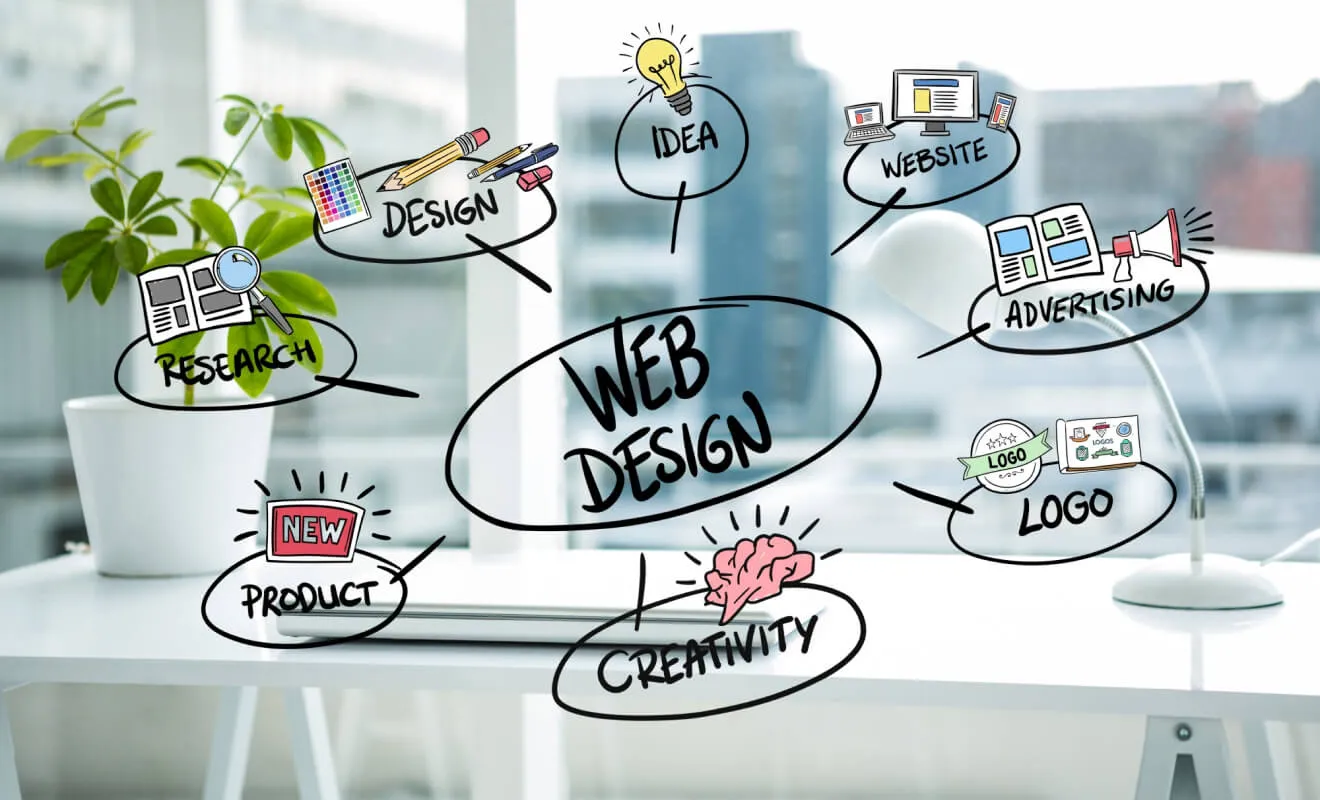
Design Without Research Is Guessing
Every design decision is a hypothesis about how users think and behave. Without research, those hypotheses are uninformed. With it, they’re grounded in reality. The difference between the two shows up directly in how well a product performs.
What User Research Actually Is
User research isn’t just usability testing. It’s a broad toolkit that includes:
- Interviews — understanding goals, mental models, and frustrations
- Surveys — gathering quantitative data at scale
- Usability tests — watching people use your product in real time
- Analytics — understanding what users actually do versus what they say
- Card sorting — understanding how users categorize information
The Research-Design Loop
Effective teams treat research and design as a continuous loop, not a linear sequence. Discovery research informs initial design directions. Evaluative research refines them. Post-launch research shapes the next iteration.
Even Small Research Moves the Needle
You don’t need a dedicated research team or months of fieldwork to benefit from user research. Five usability test sessions will surface the majority of critical usability issues. A six-question survey sent to existing users can reveal pain points you hadn’t considered.
Research Builds Stakeholder Confidence
User research does more than improve design — it builds organizational alignment. When design decisions are backed by evidence rather than opinion, they’re easier to defend and more likely to gain buy-in.
Common Research Mistakes to Avoid
- Leading questions that bias participant responses
- Testing with colleagues instead of target users
- Treating research as a one-time activity rather than ongoing practice
- Gathering data but not synthesizing it into actionable insights
“If we knew what it was we were doing, it would not be called research, would it?” — Albert Einstein
Conclusion
The most effective web designers are those who couple strong visual craft with genuine curiosity about users. Research transforms design from a personal expression into a service that genuinely meets people where they are.
Latest Posts
Blog