

Aug 25, 2024
DesignEffective Wireframing Techniques for Designers
Blog Details
Why Wireframing Still Matters
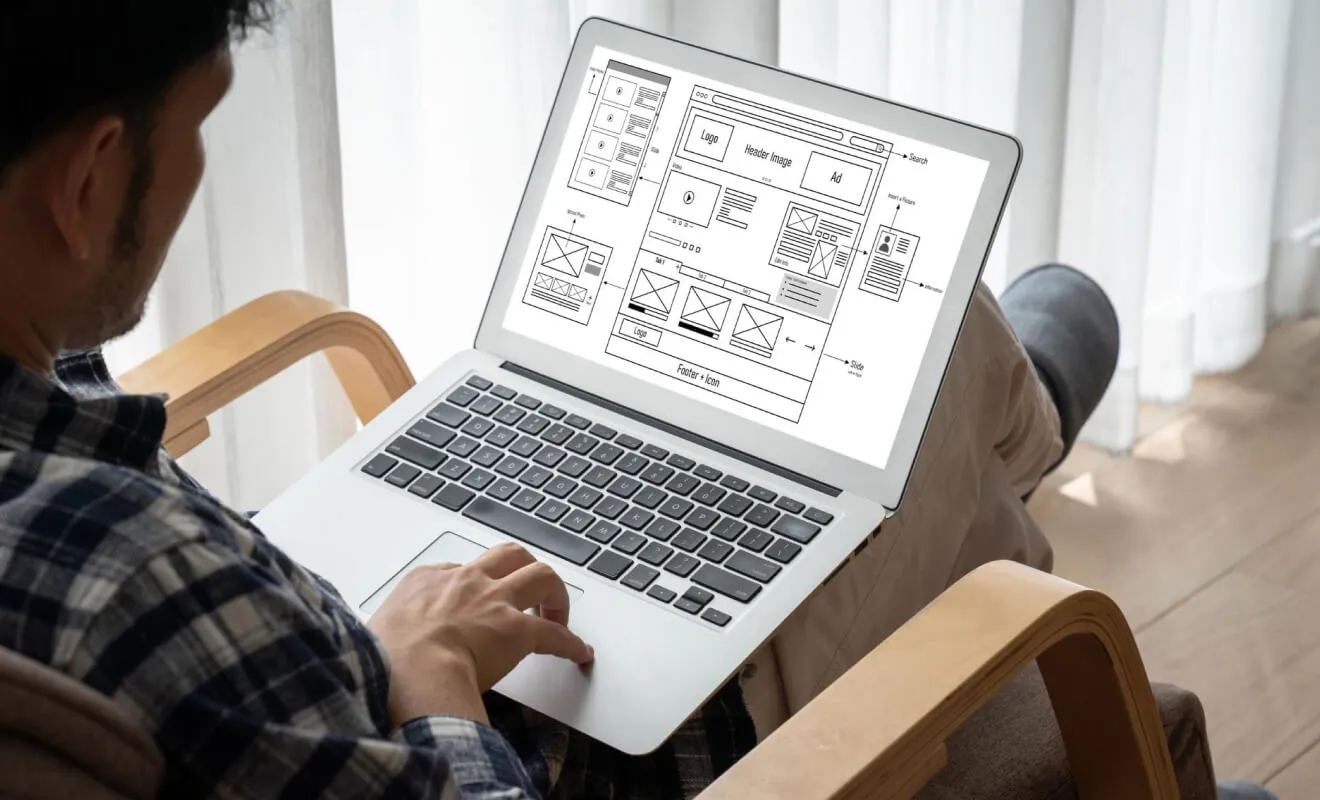
In an era of high-fidelity prototyping tools, wireframing might seem old-fashioned. It isn’t. The deliberate reduction of fidelity focuses attention on structure, flow, and hierarchy rather than color and polish. Decisions made at the wireframe stage are cheaper to change and faster to explore.
Start Analog, Then Go Digital
The best wireframes often start on paper. Pen and paper removes the temptation to refine prematurely. Sketch fast, generate multiple options, and commit to a direction before opening your design tool.
Establish Your Fidelity Level First
Not all wireframes serve the same purpose. Decide upfront:
- Low fidelity — rough boxes, placeholder text, for early exploration
- Mid fidelity — defined layout, real labels, for aligning on structure
- High fidelity — detailed spacing, real content, for developer handoff
Mixing fidelity levels in the same document creates confusion.
Use Real Content Where It Matters
Lorem ipsum is fine for body text areas, but headlines, button labels, and navigation items should use real copy. Placeholder text hides content strategy problems that will surface later.
Annotate Decisions, Not Just Appearance
Wireframes communicate intent. Add annotations explaining why elements are positioned where they are, how interactions work, and what edge cases exist. A wireframe without annotations is half the communication.
Design for the Edge Cases
Happy path wireframes are easy. The real design work is in empty states, error messages, long content, and narrow viewports. A wireframe that only shows the ideal scenario leaves critical questions unanswered.
Test Early and Often
Even rough wireframes can be tested with users. Show a paper sketch or a clickable low-fi prototype and you’ll surface fundamental structural problems before any visual design work begins.
“Embrace each moment with courage and determination, for it is through challenges that we grow.”
From Wireframe to Design
The wireframe handoff to visual design goes smoothest when designers who created the wireframe also do the visual design — or when the wireframe documentation is thorough enough that a different designer can pick it up without losing context.
Latest Posts
Blog